
Arsonist Country
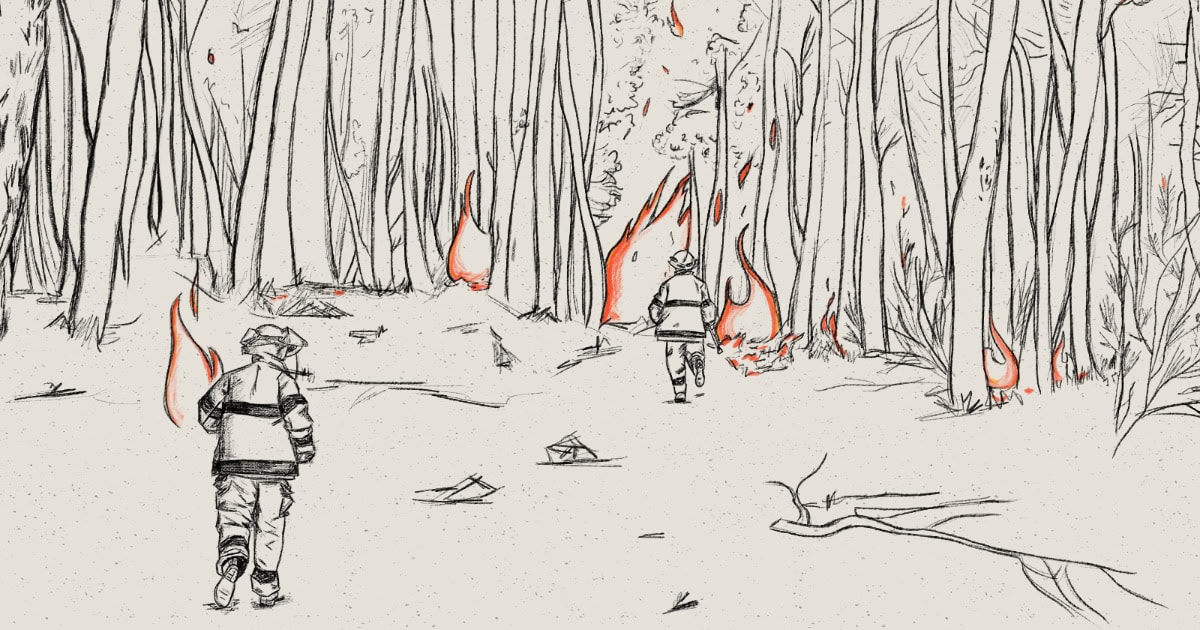
In Spain, in 2016 (the last year with consolidated data), just over 69,000 hectares of forest burned. Of these, nearly 14,000 were attributed to arsonists—20% of the total—according to data from the Ministry for the Ecological Transition and Demographic Challenge. In Portugal, in the same year, the numbers were even more stark: nearly 178,000 hectares burned, 30% of which were caused by arson.
Read article (Spanish)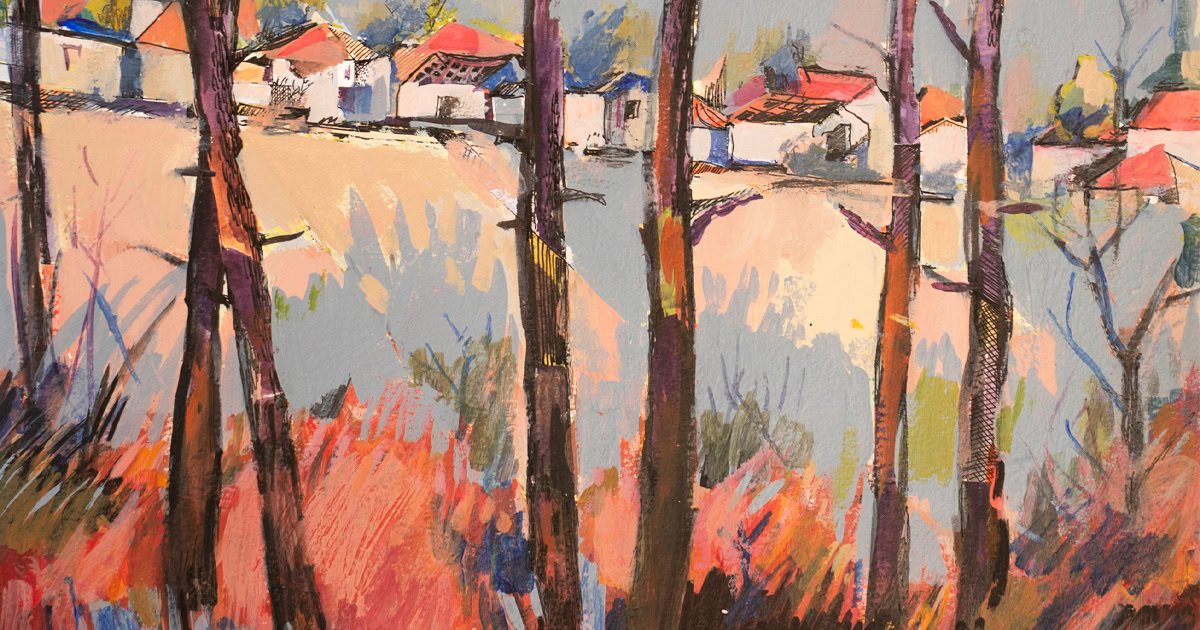
For one year, we travelled the length of Portugal in search of arsonists. And not wanting to succumb to that city-dweller arrogance so common in a country obsessed with Lisbon and Porto, it must be said that an end of the world atmosphere pervades a large part of the country,—the parts away from the coasts, or the areas covered in almonds, intensive olive farms and berry greenhouses. It seems like everyone left and that nothing but fields, eucalyptus, houses and factories remain. All abandoned. Remains. The remains of a country that no longer exists. But with a lot of fire.
Read newsletter (Portuguese)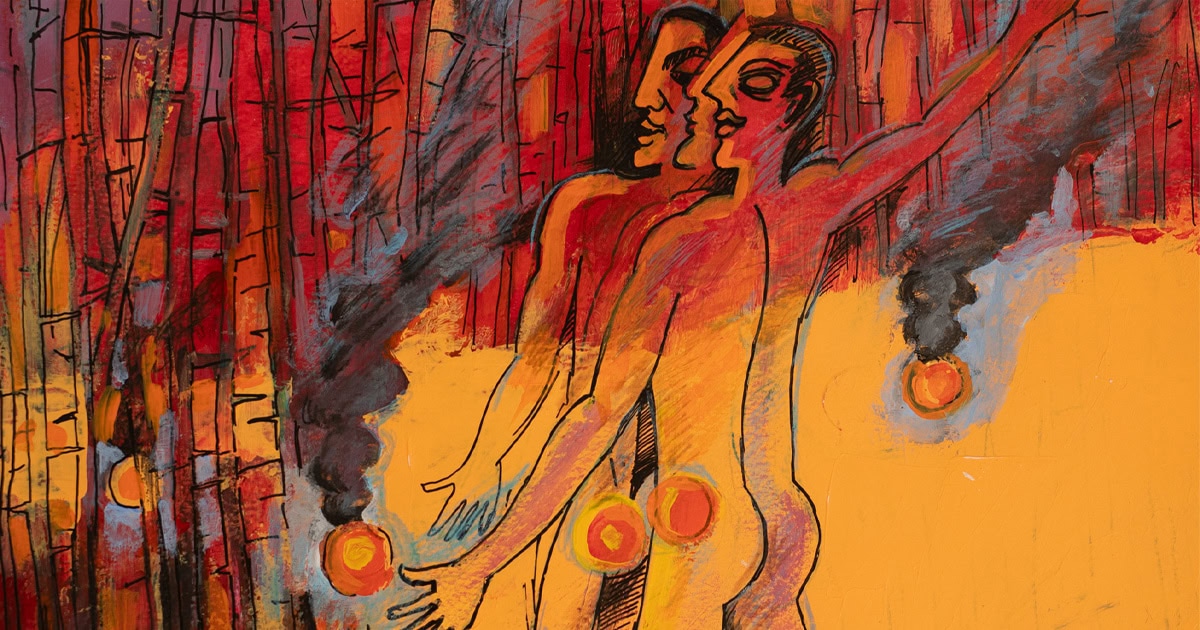
Portugal burns more than any other country in the European Union, and the leading cause is arson. The voluntary act of people intentionally setting fires to cause harm is responsible for more than 50% of the land burned in recent years. These numbers give strength to our argument, tell us that there is a problem the country refuses to see. They reveal that there is a story to tell, even when public policymakers have little or nothing to say on the matter.
Read newsletter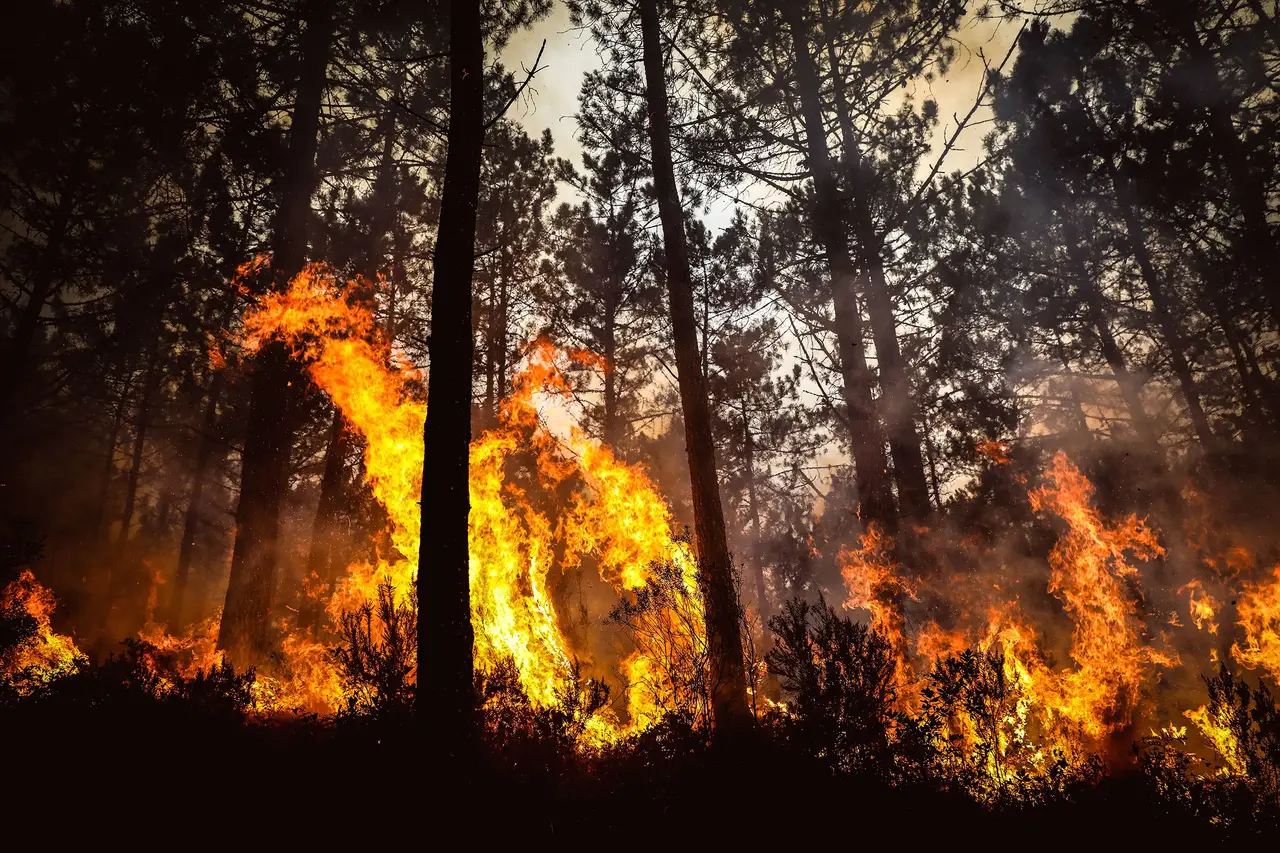
Portugal burns more than any other country in the European Union and the leading cause of fires is arson. A reality that policymakers don’t want to see. We tell the story of a country that abandoned a large part of its territory and its people.
Read article (Portuguese)
During another summer defined by mountain wildfires, communities in danger and firefighters pushed to exhaustion, TSF radio broadcast Divergente’s investigative podcast País de Incendiários. The six episodes were reworked into 45-minute edits to fit the station’s schedule. Between 22 and 29 August, listeners were offered a new episode each morning at 10am, and repeated at 4pm.
Listen to the radio edit (Portuguese)


